The Truth About Trips to Heaven: Do Near-Death Experiences Really Prove the Afterlife?
The Reality of Heaven Testimonies: Do NDEs Actually Prove an Afterlife?
For decades, accounts of individuals who claim to have died, visited Heaven, met Jesus, and returned to share their stories have captivated millions. Whether through books, podcasts, documentaries, or viral social media posts, these accounts often describe vivid experiences of walking through Heaven, talking with angels, or receiving direct messages from God.
Naturally, these narratives provoke crucial questions. Can these episodes be considered authentic glimpses of the afterlife? Should they be accepted as valid proof of Heaven? This analysis explores the phenomena of near-death experiences (NDEs), specific testimonies like Gabe Poirot's alleged visit to Heaven, and the biblical reasons why many Christians believe supernatural claims must be evaluated by Scripture rather than personal experience.
Why Near-Death Experiences Capture So Much Attention
NDEs frequently take place in the wake of traumatic accidents, sudden medical emergencies, or brief moments of clinical death. Many individuals report remarkably vivid experiences, including encountering radiant lights, experiencing a profound sense of peace, moving through a tunnel, reuniting with departed loved ones, or believing they caught a glimpse of Heaven and Christ Himself.
Due to the emotional and transformative nature of these stories, they spread like wildfire across social media, TV networks, local churches, and Christian circles. For a vast audience, these personal stories reinforce their faith in life beyond the grave. Conversely, others argue that spectacular supernatural claims must always undergo strict scriptural scrutiny.
Can Personal Experiences Be the Foundation of Truth?
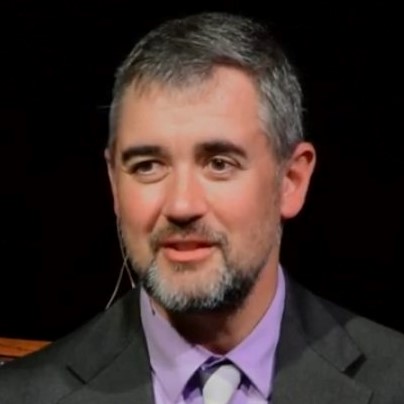
A primary question raised by many believers is whether subjective spiritual encounters ought to be embraced as dependable evidence. Scripture frequently admonishes believers to walk in discernment rather than blindly accepting every supernatural claim.
Many Christians point to biblical texts that instruct the faithful to test the spirits, measure all teachings against the written Word, guard against spiritual deception, and rely on the objective truth of Scripture rather than subjective feelings. From a scriptural standpoint, even a deeply genuine experience can never supersede or equal the authority of God's Word.
The Growing Popularity of Heaven Testimonies
Over the past few years, the popularity of stories detailing visits to Heaven has grown immensely. Numerous authors have released bestselling books detailing direct dialogues with Jesus Christ, elaborate descriptions of what Heaven looks like, encounters with well-known biblical personalities, or revelations about future events.
Some testimonies become international bestsellers and influence millions of people. Yet, widespread popularity is never a baseline indicator of spiritual truth. History shows that many universally accepted concepts have ultimately proven false, highlighting the vital need for careful discernment.
Examining Claims Like Gabe Poirot's Story
Take, for instance, the widely discussed testimony of Gabe Poirot, who shared an account of spending eighteen days in Heaven and talking with Jesus before returning to his earthly life. Testimonies of this scale understandably draw massive attention, as they promise an insider's view of the afterlife.
Followers and supporters frequently interpret these stories as uplifting validation of God's existence. On the other hand, many believe it is critical to evaluate these claims by asking if the narrative aligns seamlessly with the Bible, introduces strange doctrines absent from Scripture, or draws focus to the miraculous experience itself rather than Jesus Christ. Instead of emotionally accepting or dismissing a claim, many Christians insist on filtering every testimony through the lens of Scripture.
Why Discernment Matters
Scripture repeatedly issues stern warnings regarding spiritual deception. Not every miraculous sign, dream, vision, or paranormal encounter is guaranteed to be from God. In fact, the Bible warns that deceptive teachers and false prophets can perform spectacular wonders while simultaneously steering people away from sound doctrine.
To counter this, Christians are taught to sharpen their discernment by deeply studying Scripture, praying for wisdom, testing every teaching, and maintaining a humble and cautious heart. Ultimately, discernment safeguards the faithful from being swayed by highly emotional narratives that conflict with holy Scripture.
The Difference Between Faith and Experience
Subjective experiences can certainly be incredibly powerful, and countless individuals have undergone unique events that completely altered their perspective on reality. Even so, true Christian doctrine asserts that saving faith is anchored in the objective Word of God, not fluctuating personal experiences.
While an experience can support or encourage one's walk, it must never take the place of the Bible as the supreme authority. This rule keeps the Church from anchoring its core convictions onto subjective tales that are impossible to test or prove.
Why Some Christians Question Heaven Testimonies
When it comes to assessing contemporary stories of traveling to Heaven, a few major concerns routinely surface.
Contradictory Descriptions
To begin with, separate accounts describe the architecture and nature of Heaven in wildly incompatible ways. Certain books feature details that openly clash with other testimonies, which cast doubt on their overall reliability.
New Revelations
In several instances, these accounts introduce theological ideas or mandatory beliefs not present within the biblical text. A vast majority of believers hold that the canon of Scripture is complete and must not be altered or added to by modern private visions.
Commercial Influence
It is also worth noting that books, speaking circuits, documentaries, and monetized social media videos about Heaven can be highly lucrative enterprises. While profit motives do not strictly mean a testimony is false, it provides a strong reason for healthy skepticism instead of naive acceptance.
Emotional Appeal
Accounts of paradise naturally pull at a person's heartstrings and stir powerful feelings. Yet, strong emotional resonance should never take precedence over objective biblical analysis.
What Does the Bible Emphasize?
Rather than telling followers to chase after supernatural signs, out-of-body experiences, or visions, God's Word focuses heavily on faith in Christ, pursuing holiness in daily living, and proclaiming the good news of salvation to the world. Ultimately, the focal point of the Gospel is not individual mystical experiences, but the historical death, burial, and resurrection of Jesus Christ.
The Importance of Testing Every Teaching
For centuries, faithful Christians have recognized the absolute necessity of measuring all doctrines against the standard of Scripture. Whenever you encounter a story or teaching regarding visions, dreams, miracles, prophecies, or trips to Heaven and Hell, it is imperative to investigate if the message truly squares with Holy Writ.
An account can be profoundly inspiring, but Gabe Poirot skateboard accident truth being inspirational does not make it true. Checking everything against the Word allows Christians to stay securely grounded in reality rather than falling prey to imaginative speculation.
Finding Confidence in God's Word
For true believers, absolute certainty about the afterlife does not stem from NDEs, but from the infallible promises recorded in the Bible. Scripture offers rock-solid hope based entirely on the bodily resurrection of Christ and the ironclad guarantee of eternal life for all who believe. Instead of leaning on contemporary, unverified testimonies, Christians are exhorted to place their total trust in God's eternal Word.
Conclusion
Accounts of traveling to Heaven will undoubtedly continue to fascinate people globally. Testimonies dealing with traumatic injuries, near-death events, and conversations with the Lord will always provoke curiosity and serious thought.
Simultaneously, believers are called to handle every modern miraculous claim with a balance of humility, wisdom, and scriptural discernment. Subjective encounters can sound incredibly convincing, yet they must always bow to the objective authority of the Bible.
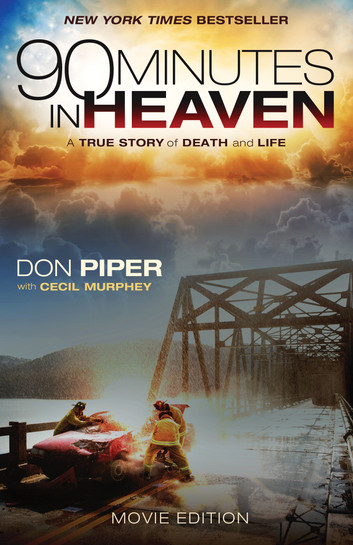
Whether evaluating near-death encounters, books about visiting paradise, or unique spiritual revelations, the absolute benchmark for truth will always be Holy Scripture. By choosing to build their faith upon the bedrock of the Bible rather than sensational experiences, believers can explore these fascinating topics safely while staying fiercely committed to the true message of Jesus Christ.